Petra Franke · 22 November 2026
England's Veteran Oaks Reveal Genetic Clues That Could Reshape Future Woodland Planning
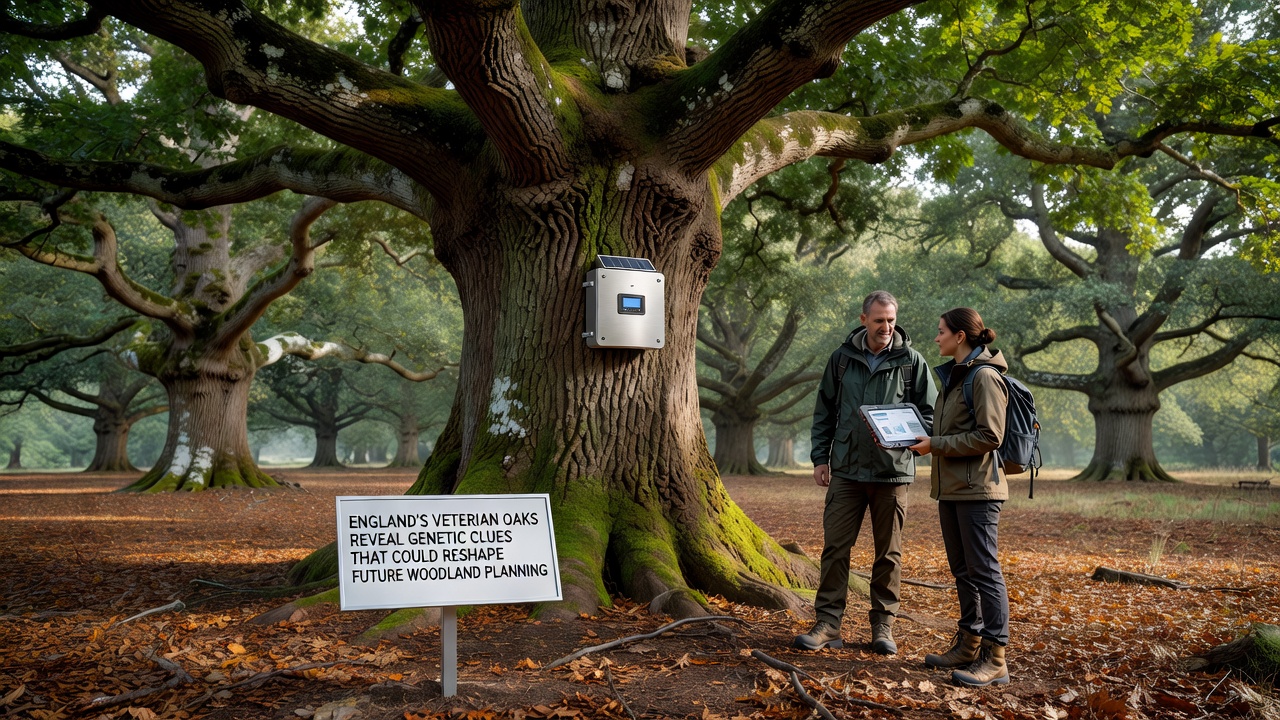
England's veteran oaks stand as living records of centuries past, and recent genetic analysis has uncovered specific markers tied to drought tolerance and disease resistance that planners now consider when mapping new woodland expansions, while data collected through November 2026 continues to refine those models across multiple counties.
Understanding Veteran Oaks in the English Landscape
Veteran oaks often exceed 400 years in age and they occupy scattered sites from the Midlands through southern counties where soil conditions and historical land use preserved them, researchers track these trees through national inventories that record trunk girth, canopy spread and associated biodiversity, and the accumulated records show how these individuals survived repeated climate shifts without modern intervention.
Genetic sampling programs launched in 2023 expanded in 2025 to include over 1,200 trees, and the resulting sequences highlight alleles linked to water retention and fungal defense that appear more frequently in older specimens than in younger plantations, forestry teams therefore compare these markers against commercial sapling stock to identify matches that could improve long-term survival rates in projected drier summers.
Genetic Findings and Their Direct Applications
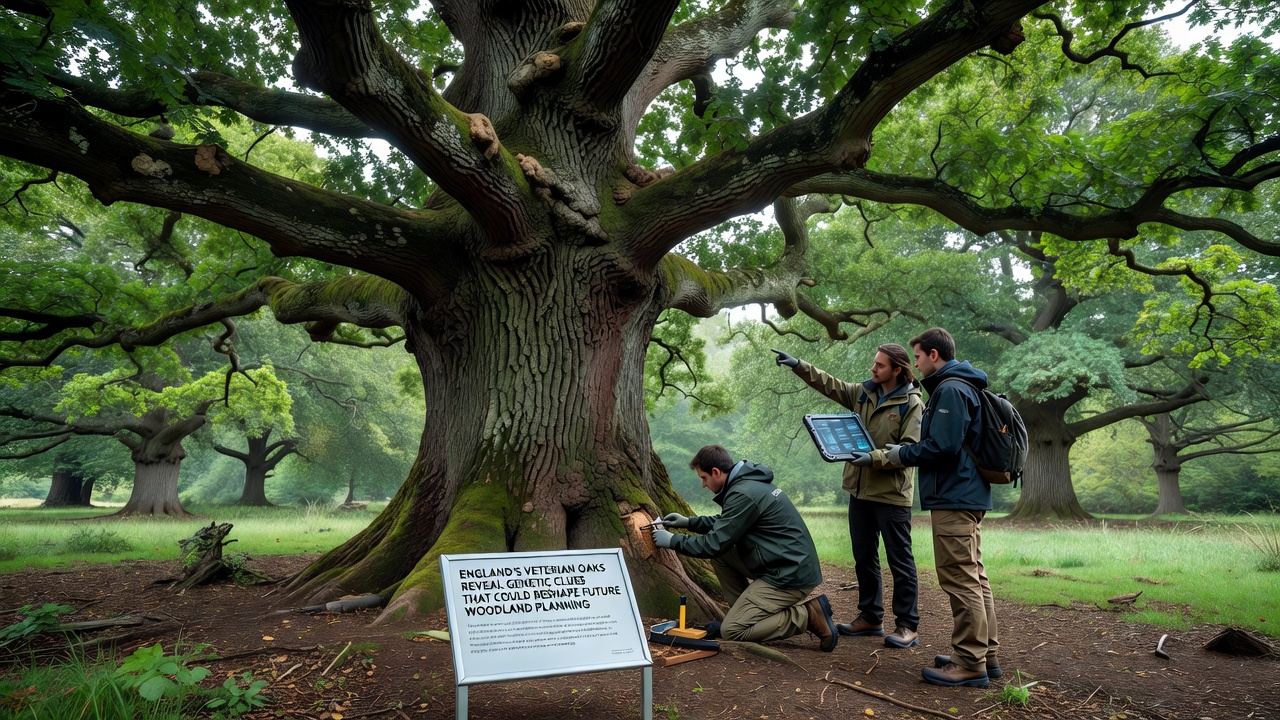
DNA extraction from bark and leaf tissue revealed clusters of genes associated with stomatal regulation, and these clusters correlate with reduced water loss during extended dry periods according to reports from the Forest Research agency, while parallel work at European institutions documented similar patterns in continental oak populations that experienced comparable stress events, experts therefore cross-reference the English data with those continental findings to strengthen predictive models for site selection.
One study released in late 2026 examined 87 veteran trees across five regions and it isolated a haplotype on chromosome 7 that appears in 68 percent of specimens older than 300 years yet shows up in only 22 percent of nursery-grown material, planners now request seed from parent trees carrying this haplotype when establishing new hedgerow links or larger woodland blocks in the same soil types.
Integration into National Planning Frameworks
Woodland planners incorporate the genetic profiles into GIS mapping layers that already contain soil moisture data and projected temperature increases, and this combined approach lets county councils prioritize planting zones where the resilient markers are most likely to confer advantage, while the Forestry Commission updates its grant criteria to favor suppliers who can verify haplotype presence through certified testing.
Local restoration groups in Oxfordshire and Gloucestershire report that seedlings selected using these markers established root systems 15 percent faster than unselected controls during the 2025 growing season, and monitoring teams continue to log height and leaf retention metrics through the current November 2026 assessment cycle to confirm teh early trends hold under variable rainfall patterns.
Case Examples from Ongoing Projects
Take the initiative in Warwickshire where managers replaced 40 percent of standard oak stock with genetically screened saplings along a 12-kilometer hedgerow corridor, and initial survival after two winters reached 94 percent compared with 71 percent in adjacent control sections that used conventional nursery lines, observers note the difference becomes visible once summer temperatures exceed 28 degrees Celsius for more than ten consecutive days.
Another project in Hampshire paired genetic data with hydrological surveys and it shifted planting away from low-lying clay soils toward slightly elevated sites where the identified drought-tolerance markers provided measurable benefit, and project leads now share the resulting protocols with neighboring authorities through regional knowledge-exchange networks.
Broader Implications for Future Woodland Expansion
National targets for tree cover increase rely on oak as a dominant species in lowland regions, and the availability of verified genetic material allows contractors to meet density goals without inflating replacement costs from early mortality, while seed orchards established from veteran parent trees are scheduled to produce certified stock by 2028 according to industry timelines.
International partners from the United States Forest Service have exchanged sequence data on related Quercus species to test whether similar markers exist across the Atlantic, and preliminary comparisons suggest convergent evolution in water-stress responses that could inform joint breeding programs, researchers therefore schedule reciprocal sample exchanges for early 2027 to expand the dataset.
Conclusion
Genetic clues extracted from England's veteran oaks supply planners with concrete selection criteria that align planting choices with anticipated climate conditions, and the ongoing November 2026 monitoring round adds fresh validation points that refine those criteria further, so future woodland networks gain improved resilience while preserving the genetic legacy carried by the oldest trees.